How Much Does It Cost to Set Up Your First House (2026): About $3,000, or $6,000
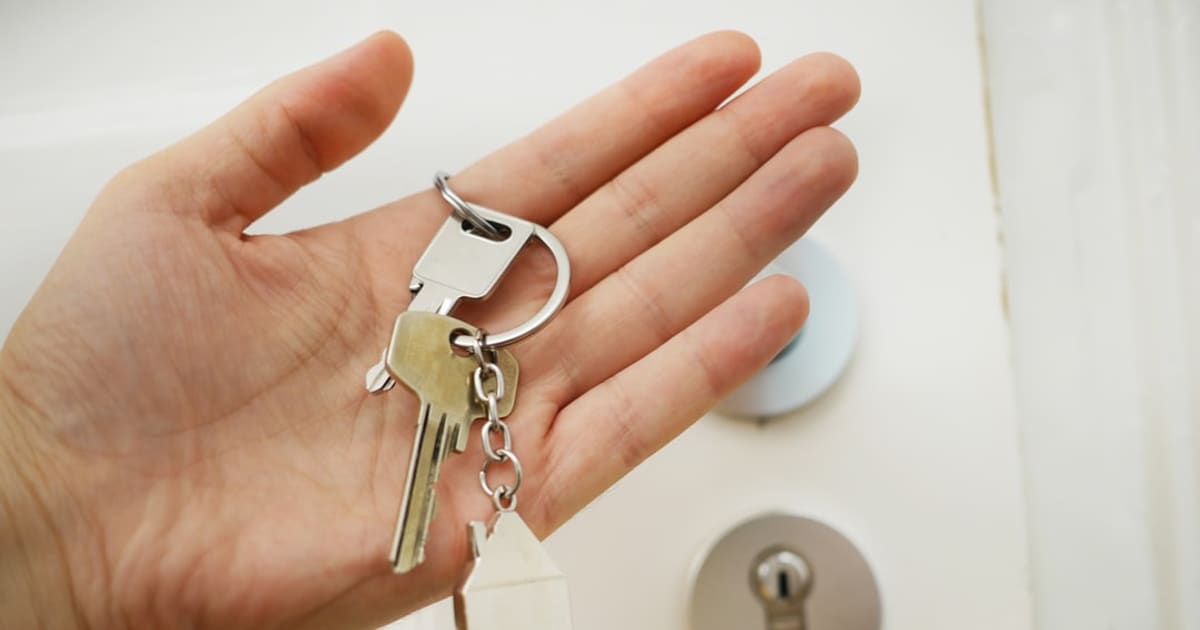
Setting up a first house costs about $3,000 on a budget or $6,000 for a better setup, assuming you already own basic apartment gear.
The honest answer
Plan on about $3,000 for a budget first-house setup or $6,000 for a better version. At the item level that is roughly $2,060 to $4,040 for the budget setup and $4,080 to $7,970 for the better one.
We are assuming a modest first house and someone moving up from an apartment, not arriving with a suitcase and an empty car. You probably already own dishes, some furniture, towels, a television, and basic kitchen equipment.
This does not include the house price, down payment, closing costs, moving company, major appliances, major repairs, or renovations. It is the annoying second wave of spending during the first 60 days: missing furniture, window coverings, tools, safety equipment, cleaning gear, yard basics, and dozens of things that apartments quietly provided for you.
You can spend much less if your apartment furniture works in the new house. You can also blow past $10,000 surprisingly fast by furnishing every empty room immediately. There is usually no reason to do that.
The free path ($0)
Before buying anything, move in with what you already have.
A small apartment sofa does not become defective because the new living room is larger. Your cheap kitchen table still holds food. Plastic storage drawers can keep doing their job until you know where permanent furniture should go.
Ask family or friends whether they have spare lamps, tables, shelving, rakes, shovels, or basic hand tools. Used solid furniture is especially worth accepting. A scratched hardwood table is often more useful than a new decorative piece you bought because an empty dining room bothered you.
Borrow the things you will use twice during move-in. A drill, stud finder, step ladder, hand truck, or pressure washer can often be borrowed long enough to figure out what you actually need to own. Reuse moving boxes as temporary garage storage. Leave the guest room empty. Do not furnish rooms merely because the floor is visible.
The best free move is simply waiting. Live in the house for a few weeks before deciding what the house is missing.
The essentials (the test)
Our rule is simple: if money ran out tomorrow, would a normal person still need this in week one?
If the answer is no, it is not an essential. A bed frame, mattress, sheets, pillows, a side table, and a lamp pass. Command strips to hang pictures do not.
What qualifies:
- A functional sleeping setup: mattress, bed frame, sheets, pillows, bedside surface, and a lamp if the room lacks useful lighting.
- Basic seating and somewhere to eat. That might be your old sofa and kitchen table. It does not mean matching living room furniture.
- Privacy where it is needed. Bedrooms and street-facing bathrooms may need blinds or curtains immediately. Decorative curtains in a spare room do not.
- Kitchen equipment you do not already own. You need enough cookware, dishes, utensils, and food storage to make normal meals, not a complete matching kitchen.
- Bathroom basics: shower curtain where required, towels, toilet brush, plunger, trash can, and cleaning supplies. A basic set like the Toilet Brush and Holder Set with Crevice Brush (Space Saving, White) (about $7) has dense bristles plus a crevice brush for the rim, and it stays beside the toilet so the job happens before it becomes a problem.
- Cleaning equipment: a vacuum appropriate for your floors, broom, mop, bucket, sponges, cleaners, and trash bags. A 30-gallon pack like the Amazon Basics Flextra (Amazon Basics Flextra Multipurpose Drawstring Trash Bags, 30 Gallon, 50 Count, Tear Resistant) gives you 50 drawstring bags for about $13.58, so a kitchen or patio can have a dedicated liner without buying one bag at a time. Match the bag size to the can; a 30-gallon bag is too large for a small bathroom bin. For hard floors, the O-Cedar One Sweep (O-Cedar One Sweep Broom and Step-On Dustpan Set, about $13) pairs a wave-bristle broom with a step-on dustpan, so you sweep without bending to hold the pan.
- Basic safety equipment: working smoke and carbon monoxide alarms where appropriate, a usable fire extinguisher, and a flashlight.
- Basic tools, because houses constantly produce loose screws, sticking doors, furniture assembly, and things that need measuring.
- A step ladder tall enough to reach lights, detectors, and filters without climbing on furniture.
Picture frames, rugs, decorative pillows, matching organizers, wall art, smart gadgets, and command strips fail the test.
The budget setup (~$3,000)
This is the version for someone who wants the house functional without pretending every room needs to be finished in 60 days.
- Bedroom gaps: $450 to $750. Mattress or mattress replacement, simple frame, bedding, pillows, basic nightstand, and lamp where needed. A 10-inch queen mattress like the Zinus (Zinus 10 Inch Queen Green Tea Essential Memory Foam Mattress, Medium Feel | All-Night Freshness & Breathability, Soothing Pressure Relief, Just-Right Medium Feel, CertiPUR-US & OEKO-TEX Certified, about $200) plus the 14-inch Zinus frame (Zinus 14 Inch Rumi Metal Bed Frame, No Box Spring Needed, Black, Queen | Quick Assembly SmartBase Mattress Foundation, Heavy Duty Sturdy Steel, Eco-Friendly Packaging, about $70) makes the new-furniture side of this range concrete; used furniture can be much cheaper. For pillows, a two-pack of Utopia Bedding queen pillows (Utopia Bedding Hotel Bed Pillows, Queen Size, Set of 2) is about $26; any comfortable pair works, so skip decorative pillows until the room is functional.
- Living room seating and tables: $400 to $700. Enough comfortable seating plus one useful coffee or side table. A three-seat anchor like the AMERLIFE (AMERLIFE 3 Seater Sofa, Deep Seat Couch with Metal Support, Chenille Cream, 74.8 Inch, about $230) covers the seating on its own: 74.8 inches wide, a 22-inch deep seat, a 700-pound metal frame, and 7 inches of clearance underneath so a robot vacuum can pass. It assembles in about half an hour with the tools in the box. Pair it with a folding side table like the Adams (Adams Quik-Fold Side Table, Earth Brown | Folding Table for Indoor or Outdoor Use, 19.5 x 19.5 x 18.5 Inches, about $25) and the room is usable for roughly $255, which leaves room in this row for a lamp or a rug if the house needs one. Measure the doorway and the wall before ordering; a sofa that will not fit through the front door is the most common furniture mistake.
- Dining table and chairs: $200 to $350. Buy for the number of people who actually live there. A compact five-piece set is a clean way to get both pieces without measuring a table and chair set separately. The HOMCOM set (HOMCOM 5-Piece Solid Wood Dining Table Set for 4, Light Brown and Brown, about $230) has a 43.3-inch table, four upholstered chairs, and a footprint that works in a breakfast nook or small dining room. It is assembly-required furniture, so measure the doorway and the room before ordering; a used set is often the cheaper first move.
- Window coverings: $100 to $250. Handle bedrooms, bathrooms, and exposed first-floor rooms first. For the cheapest bedroom fix, the ChrisDowa Blackout Door Curtain, 42 x 63 Inch, Dark Grey is a single dark-grey panel at about $25: 42 by 63 inches, six metal grommets, and a polyester weave that blocks most of the light a small bedroom window lets in. Any basic curtain or liner works; this one earns the link because it hangs on a plain rod without extra hardware and covers one window for less than a coffee-table book. When you want adjustable privacy instead of a fabric panel, the ACHIM 35 x 64-inch cordless vinyl blinds (ACHIM Cordless Room Darkening Vinyl Blinds, 35 x 64 in, White, about $27.48) use 2-inch slats and a tilt wand, so you can dial the room darker without another pull cord. Measure the window first; the listing says the actual blind is 1/2 inch narrower than its stated size.
- Kitchen gaps: $120 to $250. Fill only what your apartment kitchen did not already provide. A Cuisinart Chef's Classic 3-quart saucepan (Cuisinart Chef's Classic Stainless Steel Saucepan with Cover, 3-Quart, about $43) covers soups, rice, pasta, and larger batches without crowding a small stove. The covered pot has interior measuring marks and an induction-ready base; any decent 3-quart saucepan works, so skip a full cookware set unless several pieces are actually missing.
- Bathroom basics: $70 to $150. Shower supplies, plungers, brushes, towels, trash cans, and basic storage. A one-piece no-hook curtain like the River Dream (River Dream White No-Hook Fabric Shower Curtain with Sheer Window, 71 x 74 Inch, about $20) avoids buying a separate liner and hooks. A Korky BeehiveMAX (Korky BeehiveMAX Heavy Duty Toilet Plunger, about $16) seals round and elongated toilet bowls where flat cups slip. A four-pack of 27x54-inch ring-spun cotton bath towels like the Utopia set (Utopia Towels 4 Pack Premium Bath Towels, 27 x 54 in, Cotton Navy, about $29) covers a couple for a week between washes; any basic towel works, this is just the one we would buy. The Livabber three-tier over-door rack (Livabber 3-Tier Over The Door Towel Rack, Black, about $17) adds hanging space without drilling, which is useful in a bathroom with no spare wall; check the door thickness and leave room for it to open.
- Cleaning gear: $150 to $300. A lightweight stick vacuum like the Bissell Featherweight (Bissell 2033 Featherweight Stick Lightweight Bagless Vacuum) handles most floors; add a broom, brushes, cloths, and starter cleaners. For hard floors, a spray mop like the Bona Multi-Surface (Bona Multi-Surface Floor Premium Spray Mop, about $42) sprays a fine mist onto the floor and wipes it up with an 18-inch machine-washable microfiber pad, so you skip the bucket and wringer entirely; any basic mop works, this is just the one we would buy.
- Laundry basics: $40 to $100. Hampers, a drying rack if needed, and supplies. A 60L pop-up mesh basket like this one (Collapsible Mesh Laundry Basket with Side Pocket | 60L, about $7) folds flat when the hallway needs its space back; any basic hamper works, this is just the one we would buy. For houses without a dryer, the Amazon Basics portable A-frame rack (Amazon Basics Foldable Portable Metal Clothes Drying Rack, Chrome Silver, about $32) is a 14.5 x 29.5 x 41.8 inch chrome-plated frame that needs no assembly and folds flat against a wall between loads; any basic folding rack works, this is just the one we would buy. If the house has a dryer, the Holikme 25-foot vent brush kit (Holikme 25-Foot Dryer Vent Cleaner Kit, about $25) has two synthetic brush heads and a drill attachment for pulling lint from the accessible vent run. Clean the lint screen after every load; the long duct is a separate job.
- Safety equipment: $100 to $220. A battery combo unit like the First Alert SMCO100 (First Alert SMCO100 Combination Smoke & CO Alarm, about $37) covers smoke and carbon monoxide with one ceiling mount, the fastest way to close that gap in a new house. Keep a spare two-pack of Energizer MAX 9V alkaline batteries (Energizer MAX 9V Batteries (2 Pack), 9 Volt Alkaline Batteries, about $6.49) for the alarm's annual battery replacement; a fire extinguisher like the First Alert DHOME1 (First Alert DHOME1 Fire Extinguisher, about $29); and a flashlight. The Energizer WeatheReady (Energizer WeatheReady Compact Rechargeable Flashlight, about $12) plugs into an outlet, switches on when the power goes out, and runs for up to 3 hours. A rechargeable headlamp like the $20 one in our car kit (LHKNL Rechargeable LED Headlamp) keeps both hands free.
- Basic homeowner tools: $150 to $300. Hammer, screwdrivers, pliers, adjustable wrench, tape measure, level, utility knife, drill, bits, and common fasteners. The 12-inch Crescent AC212VS (Crescent 12-Inch Adjustable Wrench, AC212VS, Chrome, about $25 at the normal price) fills the wrench gap for an odd nut, supply line, or fixture job. Its 1-1/2-inch jaw covers the usual household supply-line and fixture sizes without a full socket set. When you borrow a drill, a 99-piece titanium-coated HSS bit set like the HURRICANE (HURRICANE 99-Piece Titanium-Coated Twist Drill Bit Set, about $24) gives you the 1/16-to-3/8-inch sizes needed for ordinary wood, plastic, and common-metal holes, all in a hard case. Our basic home tool kit starts with a $34.32 household kit (Amazon Basics 65 Piece Home Repair Tool Kit) and covers the ten everyday pieces for about $177. Borrow the wrench if plumbing is not on your first-week list.
- Step ladder: $50 to $100. Tall enough for bulbs, detectors, and filters without climbing on furniture. The Louisville AS3002 (Louisville Ladder 2 ft Aluminum Step Stool, about $64) is a 2-foot Type IA aluminum stool rated for 300 pounds, and it folds flat when you do not need it. Any basic stool works; this is the one we would buy.
- Outdoor basics: $80 to $200. Start with the property-specific stuff, not a shed full of gear. A 50-foot hose like the Flexzilla (Flexzilla Garden Hose 5/8 in. x 50 ft., Lightweight All-Weather Water Hose, Durable and Flexible, Leak-Free Connections, about $40) handles rinsing mud, watering, and a first gutter cleanup. If leaves are already waiting, the Truper TruPro steel rake (Truper TruPro Steel Leaf Rake, about $43) has a 24-inch head and 54-inch handle, enough reach to gather a first pile without wrestling with short-handled lawn tools. Add the LUBAN 31.5-inch stainless-steel shovel (LUBAN 31.5 Inch Flat Head Garden Shovel, D Handle Square Flat Spade for Gardening, about $39) only when the yard gives you a reason: it has a 22.6-inch handle, a 6.7-inch square spade end, and a foot platform for digging.
- Trash and recycling bins: $50 to $120. Indoor bins plus whatever exterior containers your local setup requires. A slim 8-gallon stainless steel step can like the Home Zone Living 8 Gallon Slim Step Trash Can, Stainless Steel, Soft-Close Lid costs about $60 and gives the kitchen a lidded bin without eating a square foot of floor space. If your hauler needs a larger open-top container, the Gracious Living 17-Gallon Recycling Bin, Blue is a 17-gallon blue box with tall side walls and built-in handles, about $31.99 when checked. Match the container to your collection service's rules rather than buying a bin by color alone.
- Lock and key allowance: $60 to $150. Rekeying or replacing basic locks is worth handling early if the keys have an unknown history. A Kwikset 660 single-cylinder deadbolt (Kwikset 660 Deadbolt Lock, Satin Chrome, Single Cylinder, about $24) is a reasonable replacement for a standard exterior door: Grade 3 BHMA certified, and the latch backset twists to either 2-3/8 or 2-3/4 inches so it fits a standard door preparation without a second trip to the hardware store. Have a locksmith rekey it instead if the hardware is sound and you have several doors.
- Extension cords and power strips: $40 to $100. Buy only where the house actually proves you need them. A 25-foot Amazon Basics cord with three grounded outlets (Amazon Basics Indoor/Outdoor Extension Cord, 25 ft, 3 Outlets, about $15) covers a garage outlet gap, yard work, or the room where the builder put one outlet on the wrong wall; any basic cord works, this is the one we would buy. Where the wall genuinely lacks outlets, the Anker 12-outlet strip (Anker 12-Outlet Power Strip with USB-C (2100J), about $29) adds 2100 joules of surge protection plus USB-C and USB-A ports, which is the difference between a power strip and a place to charge three devices.
If you already own a bed, sofa, table, cookware, and vacuum, your real number can land well below this tier.
The better setup (~$6,000)
The better setup is mostly about buying fewer temporary things.
- Bedroom: $850 to $1,400. Spend more on the mattress and a sturdy frame. The PurpleFlex Queen Mattress (PurpleFlex Queen Mattress, 8-Inch GelFlex Grid, $1,299) uses an 8-inch build with a 2-inch GelFlex Grid for pressure relief and temperature-neutral support. Pair it with a basic frame rather than spending the whole bedroom budget on matching furniture. Expensive nightstands are still unnecessary.
- Living room: $900 to $1,600. A better sofa is one of the more defensible upgrades because it gets used constantly. The COPIAE 91-inch Lawson sofa (COPIAE 91 Inch Lawson Sofa, 3-Seat, Chenille Beige, about $440) has a 24-inch seat depth, three seats, a 700-pound weight limit, and tool-free assembly that takes two people about 15 minutes. It is a useful anchor for the row, not a reason to spend $1,600 on a couch; measure the doorway and room before ordering.
- Dining: $350 to $700. A durable table and chairs are worth more than a fashionable set that feels fragile. The East West Furniture Dublin set (East West Furniture Dublin 5-Piece Round Dining Set with 4 Chairs, about $426) pairs a round rubberwood table with four solid-wood chairs. The table has a 42-by-42-inch footprint and a drop leaf, so measure the room and doorway before ordering. It is a better setup for people who want the table and seating handled in one purchase, not a reason to fill every room at once.
- Window coverings: $250 to $500. Better blinds or curtains can improve privacy and daily convenience. For a smaller window, the AOSKY 35 x 64-inch blackout roller shade (AOSKY 35 x 64-Inch Blackout Roller Shade, Black) has a cordless free-stop design, a built-in valance, and thermal-insulated fabric for about $55. It is a lot less fuss than custom treatments, but measure the inside of the frame and compare the shade to the frame before ordering.
- Kitchen: $250 to $500. Upgrade the cookware and knives you actually use. Large sets full of duplicate pieces are wasted money. If you cook most nights, the Amazon Basics Classic 8-inch chef's knife (Amazon Basics Classic 8-Inch Full Tang High Carbon Stainless Steel Chef's Knife, about $16) is the simple upgrade: an 8-inch high-carbon stainless blade, full tang, and three-rivet metal handle. It is hand-wash only, and any comfortable 8-inch knife works; this is the one I'd buy instead of a larger block.
- Bathroom: $120 to $250. Better towels, organizers, and hardware are reasonable. A four-piece HOMOTEK set (HOMOTEK 4-Piece Bathroom Hardware Set, Brushed Stainless Steel, about $22) covers a towel bar, towel ring, robe hook, and toilet-paper holder in brushed stainless steel. The 24-inch bar gives a towel somewhere to dry instead of leaving it folded on the counter; measure the wall spacing before drilling. A set like this is an upgrade, not a week-one necessity: a dollar-store hook and the existing toilet-paper holder can carry you until the bathroom is ready for a hardware refresh.
- Cleaning gear: $250 to $500. A good vacuum and durable cleaning tools are worth paying for if your floor area grew. The Shark ZD201 Lift-Away (Shark Lift-Away Upright Vacuum ZD201, PowerFins, No Hair Wrap, about $300) is the better vacuum; PowerFins, a lift-away pod, a HEPA seal, LED headlights, and swivel steering handle carpets and hard floors without a bag. The Bona Multi-Surface (Bona Multi-Surface Floor Premium Spray Mop, about $42) handles the wet-floor side without a bucket, with a fine mist, a refillable cartridge, and a machine-washable pad. Together, the Shark and Bona cover the two jobs that decide whether a new floor feels manageable: dry debris and wet messes.
- Laundry basics: $70 to $150. Spend for durability, not matching laundry-room decor. The step up from a folding basket is the SONGMICS 160L two-section hamper (SONGMICS 160L Two-Section Laundry Hamper with Lid and Foot Pedal, about $60). It has a foot-pedal lid, so the lid stays shut while it holds damp clothes, two compartments for splitting darks from whites, and removable liner bags you can carry straight to the machine. It measures 22 x 15.9 x 29.5 inches, so check the space beside the washer before ordering. One hamper plus detergent and a decent stain remover covers the whole row; a second one is only worth it if you share laundry with more than one other adult.
- Air quality: $100 to $300. A purifier earns its place if the house has a real allergy, smoke, dust, or odor problem. The Levoit Core 600S-P (Levoit Core 600S-P Smart Air Purifier for Large Rooms, about $300) is rated for rooms up to 2,933 square feet and uses a washable pre-filter plus HEPA and activated-carbon stages. It is overkill for an open window or a problem that has a simpler fix. If the house is healthy and you already open windows when the outdoor air is good, keep spending at zero.
- Safety equipment: $150 to $300. Cover the house properly and keep spare batteries where useful. If you want fewer battery changes, a two-pack of Kidde smoke and carbon monoxide alarms (Kidde Smoke & Carbon Monoxide Detector, 10-Year Battery Powered, Voice Alerts, LED Warning Light Indicators, 2 Pack, about $140) uses sealed 10-year batteries, gives voice alerts for smoke or carbon monoxide, and puts two detectors in the bedrooms and hallway. It is a better-tier anchor, not a substitute for checking your local placement rules.
- Homeowner tools: $300 to $600. A worthwhile upgrade. Better hand tools, useful bits, and a solid drill last for years. The DEWALT 20V MAX DCD777D1 (DEWALT 20V MAX Cordless Drill/Driver Kit (DCD777D1)) is the pick I'd buy when the time comes: a compact brushless drill/driver with a 1/2-inch ratcheting chuck, two speeds, a 2.0Ah battery, charger, and LED work light. It was $106 when checked. It is useful for shelves, faceplates, and repeated repairs, not every screw. Borrow one until the projects justify owning the battery and charger.
- Step ladder: $80 to $160. A more stable ladder is worth the modest increase. The Little Giant Flip N Lite 5-foot aluminum stepladder (Little Giant Flip N Lite 5-ft Aluminum Stepladder, about $127) has wide anti-slip steps, an easy-release handle, and a 300-pound Type IA rating. It folds flat when the house is done with it; any basic step ladder works, this is the one I would buy for a taller ceiling.
- Outdoor basics: $150 to $400. Add better hand tools and the property-specific equipment you already know you need. If that equipment is a pressure washer, the Sun Joe Pressure Washer, Electric Power Washer, 2500 Max PSI, SPX3000 | Heavy-Duty 2500 Max PSI (2030 PSI PWMA Rated)-Portable Cleaning & Washing Machine System with Patios & Sidewalks is a $169 corded electric option with 2,500 max PSI, five quick-connect nozzles, two detergent tanks, and a 20-foot hose. It is fine for small patios and walks; rent a larger machine for bigger jobs.
- Trash and recycling: $80 to $180. A two-pack of 32-gallon wheeled outdoor cans like the United Solutions set (United Solutions 32-Gallon Wheeled Outdoor Garbage Can, 2-Pack, about $98) gives the house separate bins for trash and recycling, with attached snap-lock lids and heavy-duty handles. Check your hauler's rules before assuming both cans fit the collection program; one can is enough if you already have a recycling bin.
- Locks and keys: $100 to $250. More room for replacing worn hardware instead of only rekeying. A Schlage B60N single-cylinder deadbolt (Schlage B60N Single-Cylinder Deadbolt, Matte Black, about $35) is the stronger replacement when the old cylinder is stiff or the finish is damaged. It is keyed on one side, so check the door's backset and handedness before ordering.
- Extension cords and power equipment: $80 to $180. Buy heavier-duty cords where appropriate instead of accumulating flimsy ones. For outdoor tools and heavier loads, the 25-foot HONDERSON cord (HONDERSON 25-Foot 12/3 Heavy-Duty Outdoor Extension Cord, about $39) uses 12/3 SJTW wire, carries up to 15 amps/1,875 watts, and ends in three grounded outlets with a lighted plug end. The lower-cost Amazon Basics 13-amp cord above is fine for lighter indoor and yard tasks; this one is the sturdier choice when you are feeding a pressure washer or other larger tool.
The upgrade money is best spent on the mattress, sofa, vacuum, tools, ladders, and locks. It is usually wasted on decorative furniture, designer lighting, coordinated storage containers, premium guest-room furniture, and anything purchased mainly because the house looks unfinished.
What to delay (the nice-to-haves)
Do not buy these just because you closed on a house:
- Guest-room furniture. An air mattress works until guests become a real pattern.
- Matching furniture sets. They cost a lot and lock you into choices before you understand the room.
- Area rugs everywhere. Wait until furniture placement settles.
- Wall art and decorative objects. Empty walls do not prevent the house from functioning.
- Garage organization systems. Live with the garage first. Your storage plan will probably change.
- Large shelving purchases. Cardboard boxes and existing shelves can hold things temporarily.
- Smart-home gadgets. Solve an actual problem before automating it.
- Outdoor furniture. Buy it when you know which outdoor space you actually use.
- Specialty lawn equipment and workshop gear. Borrow or rent first if you are unsure how often you need it.
- A fully furnished basement. Basements are excellent at quietly consuming $3,000.
- Decorative lighting replacements. Replace ugly fixtures later unless the existing lighting is genuinely inadequate.
- Holiday and seasonal storage gear. Organize seasonal items when that season arrives.
An empty room costs nothing. A room full of rushed purchases can take years to undo.
The costs that keep coming
The shopping slows down after the first couple of months, but houses continue asking for money.
Utilities may change because you now have more square footage, outdoor lighting, heating or cooling equipment, and possibly different water or sewer arrangements.
Consumables keep cycling: filters, light bulbs, cleaning products, trash bags, batteries, and treatment products for certain water systems.
Outdoor equipment creates its own supplies. Depending on what you own, that can include fuel, batteries, blades, line, oil, filters, seed, fertilizer, mulch, or snow supplies.
Then there is maintenance: gutter cleaning, pest treatment, HVAC service, chimney work where applicable, dryer vent cleaning, small plumbing repairs, caulk, paint touch-ups, hardware, and replacement parts.
Homeownership also creates irregular expenses. A broken toilet part might cost very little. A failed appliance or major system does not. Keeping some cash uncommitted after closing is more useful than having every room perfectly furnished.
The math
The budget setup adds up like this:
- $450–$750 bedroom
- $400–$700 living room
- $200–$350 dining
- $100–$250 window coverings
- $120–$250 kitchen
- $70–$150 bathroom
- $150–$300 cleaning
- $40–$100 laundry
- $100–$220 safety
- $150–$300 tools
- $50–$100 ladder
- $80–$200 outdoor basics
- $50–$120 trash and recycling
- $60–$150 locks and keys
- $40–$100 cords and power strips
Total: $2,060 to $4,040, or roughly $3,000.
The better setup adds up like this:
- $850–$1,400 bedroom
- $900–$1,600 living room
- $350–$700 dining
- $250–$500 window coverings
- $250–$500 kitchen
- $120–$250 bathroom
- $250–$500 cleaning
- $70–$150 laundry
- $100–$300 air quality
- $150–$300 safety
- $300–$600 tools
- $80–$160 ladder
- $150–$400 outdoor basics
- $80–$180 trash and recycling
- $100–$250 locks and keys
- $80–$180 cords and power equipment
Total: $4,080 to $7,970, or roughly $6,000.
That gap is why your starting inventory matters more than almost anything else. Someone bringing a furnished apartment into the house might spend $1,500. Someone replacing most of their furniture can cross $6,000 without buying anything extravagant.
The bottom line
For a modest first house in 2026, about $3,000 is enough to fill the important gaps without trying to finish the entire house immediately. About $6,000 gets you better furniture, better tools, better cleaning equipment, and fewer things you will want to replace in two years.
Borrow aggressively, keep using your apartment furniture, and delay rooms that do not matter yet. The smartest thing to have left after your first 60 days is not a perfectly decorated house. It is money.
Related: Basic Home Tool Kit · First Apartment Starter Pack · all starter packs.
Frequently asked questions
How much does it cost to set up a first house in 2026?
About $3,000 is a realistic budget target, while about $6,000 buys better furniture, tools, cleaning gear, and household basics without going high-end.
What should I buy first after closing on a house?
Start with anything required for sleeping, lighting, privacy, cleaning, basic cooking, fire safety, minor repairs, and trash. Furniture and decor that do not solve an immediate problem can wait.
Can I set up a house for less than $3,000?
Yes, especially if you already have apartment furniture, borrow tools, accept used furniture, and delay rooms you do not need immediately.
What new expenses surprise first-time homeowners?
Tools, yard equipment, filters, cleaning supplies, replacement hardware, pest control, seasonal maintenance, and small repairs tend to appear after the move.
How we work
How we research and review
StarterPacks Editorial Team researches the products and writes the packs. We choose items for a specific starting point, then check the listing before we link to it.
For each linked product, we open the retailer page to check the price and availability, confirm that its Amazon ASIN still resolves to the right product, and compare important claims with manufacturer specs. We do not call an item hands-on tested unless the page explains what was tested.
This guide was last checked on . We revisit pages when products, prices, or advice change. Prices and stock can move after a check, so the live listing is the final word.
Read about the StarterPacks Editorial Team and our standards.