How Much Does It Cost to Start Camping (2026): About $244, or $730
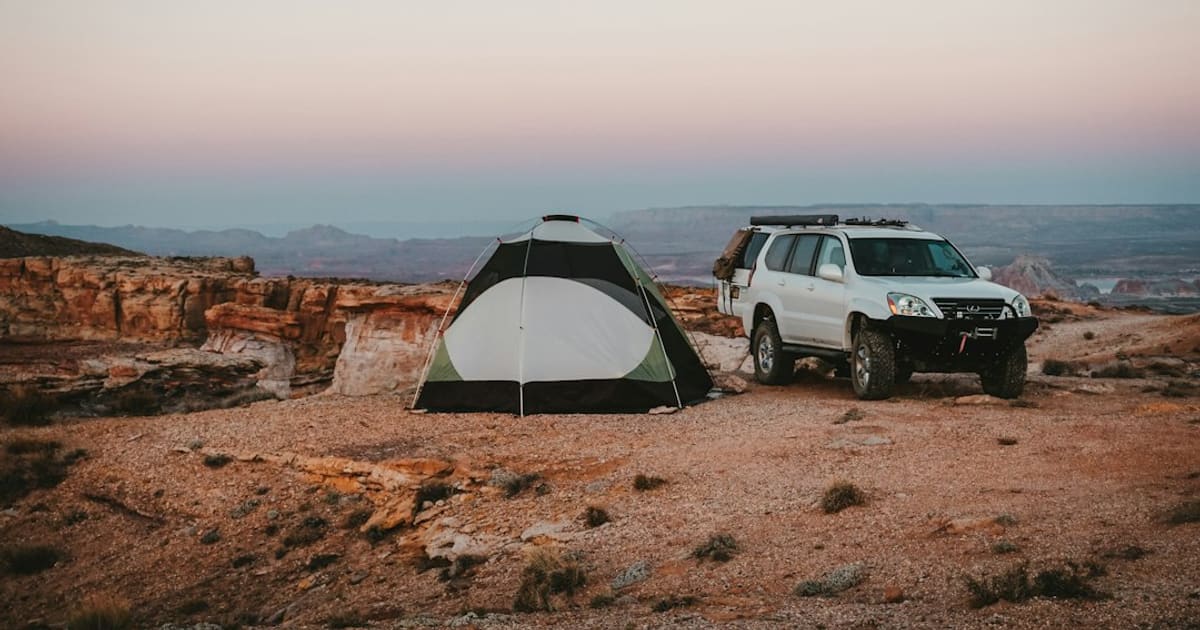
How much does it cost to start camping? About $244 for the personal items we'd buy first, or roughly $345 to $730 once the tent, sleep system, and stove join in.
The honest answer
For one adult starting three-season car camping from scratch, expect roughly $270–$420 for a workable minimum kit, or about $575–$885 for a setup worth keeping for several seasons.
That said, you do not have to start there. Our own camping starter list is deliberately just eight personal items: a daypack, bottle, warm layer, headlamp, food, first-aid kit, power bank, and blanket. They cost about $244 total, while the tent, sleep system, cooler, and stove stay rented or borrowed until you know camping is a habit. That is the order we would buy in: personal gear first, shelter and sleep last, because rentals cover the big stuff for a few weekends at a fraction of the cost.
If you do want to buy everything at once, the two tiers below are the honest breakdown: around $345 for a functional budget kit, or around $730 for the version that survives several seasons.
That assumes you are driving to a developed campground, carrying your gear a short distance at most, and camping in ordinary spring-through-fall weather. It does not include campground fees, food, firewood, gasoline, or specialized cold-weather gear.
You also probably do not need as much camping-specific equipment as camping stores suggest. A pillow from your bed works. Your kitchen spatula works. A $20 folding chair works. The three places not to get excessively cheap are the tent, sleeping bag, and sleeping pad. A bad chair is annoying, but a leaking tent at 2 a.m. can end the trip.
The free path ($0)
The cheapest way to find out whether you even like camping is to borrow nearly everything for one weekend.
Ask friends or family for a tent, sleeping bag, sleeping pad, cooler, camp stove, and folding chair. Those six items account for a large portion of the startup cost.
For everything else, raid the house: a normal pillow instead of a camping pillow, an old pot and skillet, a mug, plate, and utensils from the kitchen, a household flashlight, and containers you already own for water. You can skip a stove entirely on the first trip by bringing food that does not need cooking, and skip the chair if your campsite has a picnic table. Many outdoor retailers and local outfitters also rent tents, bags, pads, and stoves; one weekend's rental beats spending hundreds before you know whether you like sleeping outside.
One caution: check the overnight forecast before substituting household bedding for an actual sleeping bag. A pile of blankets works for mild car camping; it is not a substitute when temperatures drop.
The budget tier (~$345)
This is the buy-it-all-from-scratch-without-buying-junk version. Expect roughly $270–$420 depending on sales and what you can reuse from home.
- Basic 2- or 3-person tent, about $60–$90. Room for one person and gear, without paying for ultralight materials car camping does not need. The 2-person Coleman Sundome (Coleman Sundome Camping Tent with Rainfly, 2-Person, about $79) has a rainfly and sets up in about 10 minutes.
- Three-season sleeping bag, about $40–$60. The Coleman Brazos (Coleman Brazos Sleeping Bag, Adult Cool Weather, 30°F, No-Snag Zipper, about $54) is a 30°F cool-weather bag with a no-snag zipper, machine-washable shell, and stuff sack. Match the rating to the nights you expect; bulk and weight matter far less when the car carries it.
- Basic sleeping pad, about $20–$35. The Amazon Basics pad (Amazon Basics Camping Sleeping Pad, about $32) inflates with a built-in foot pump, weighs 1.4 pounds, and packs small for the walk in. Earns its spot immediately: the ground is both hard and cold.
- Headlamp, about $15–$20. Better than holding a flashlight while cooking, pitching a tent, or walking to the bathroom at night. The LHKNL rechargeable (LHKNL Rechargeable LED Headlamp, about $20) charges over USB-C and is light enough to forget in the pack; it is the same model we carry in the car emergency kit.
- Basic cooler, about $40–$50. It needs to keep weekend food cold, not survive a week off-grid. The Coleman Chiller 30-quart (Coleman Chiller Portable Cooler, 30-Quart, about $45) holds 25 cans plus 15 pounds of ice, and TempLock insulation carries the cold through a weekend. The 54-quart Classic below is the upgrade once friends and family join in.
- Single-burner camp stove, about $25–$50. Enough for coffee, boiling water, or one pan at a time. The Coleman Bottletop (Coleman Bottletop Propane Stove, about $50) screws straight onto a 1-pound propane cylinder, so there is no hose or regulator to buy, and one cylinder lasts up to 2.5 hours on high.
- Stove fuel, roughly $5–$10. Buy the correct fuel for whichever stove you choose.
- Cooking and eating kit, about $15–$25. One pot or pan, a plate, a cup, utensils. Raid the kitchen and this drops to nearly zero.
- Folding chair, about $15–$25. Optional at picnic-table sites; cheap enough to be worth it elsewhere.
- Water container, about $10–$15. A simple refillable jug beats a pile of individual bottles.
- Small first-aid kit, about $15–$25. The Adventure Medical Adventure First Aid 1.0 (Adventure Medical Kits Adventure First Aid Kit 1.0, about $22) is an 8-ounce kit with blister and burn supplies, bandages, and medication; any basic kit in this range works.
- Tarp or ground cloth, about $10–$15. Under the tent, around the tent, and useful for plenty of other jobs when the weather turns.
Nothing here is fancy; it gets a first weekend covered.
The full tier (~$730, recommended)
This tier spends more only where the improvement is noticeable, and should leave you with little reason to replace gear after three trips.
- Better 2- or 3-person tent, about $130–$180. The Kelty Grand Mesa 2P (Kelty Grand Mesa 2P Backpacking Tent, about $150) adds aluminum poles, a 3-season build, a single door, easy setup, and an oversized stuff sack. It is a lighter, more packable step up from the budget dome if you expect to camp regularly.
- Good three-season sleeping bag, about $80–$120. Better insulation, zipper, and comfort, rather than chasing minimum weight. The Teton Sports Celsius XL (Teton Sports Celsius XL Sleeping Bag, Three-Season, 20°F, about $84) is a 20°F-rated bag with a soft poly-flannel lining, a half-circle mummy-style hood, and double-layer draft tubes, built 36 by 90 inches so there is room to spread out. It holds 4.6 stars across roughly 300 ratings; any insulated bag in this range works, this is the one we would buy.
- Comfortable insulated sleeping pad, about $60–$100. Probably the highest-value upgrade in the entire list. The Klymit Insulated Static V Lite ECO (Klymit Insulated Static V Lite ECO Sleeping Pad, about $72) is a 72 by 23 inch pad, 2.36 inches thick, with synthetic insulation and raised V-chambers that loft warm air under you and side rails that keep you centered; any insulated pad in this range works, this is the one we would buy.
- Good headlamp, about $20–$30. Reliable, hands-free light with multi-evening runtime. The Energizer PRO-400 Rechargeable (Energizer PRO-400 Rechargeable Headlamp, about $26) adds IPX4 water resistance, multiple light modes, and USB charging. Any headlamp in this range works; this is the one we would buy.
- Midrange cooler, about $40–$60. Plenty for weekend trips without paying several hundred dollars. The Coleman Classic 52-quart (Coleman Classic Insulated Portable Cooler, 52-Quart, about $55) holds 80 cans, keeps ice up to 3 days, and has a lid rated to support 250 pounds.
- Two-burner propane stove, about $70–$120. Worth it if you intend to cook real breakfasts and dinners instead of boiling water. The Coleman Triton (Coleman Triton 2-Burner Propane Stove, about $84) serves 22,000 total BTU across two adjustable burners, and its wind guards keep a gust from killing the flames mid-fry.
- Stove fuel, roughly $5–$10 per cylinder. Keep a spare rather than discovering an empty cylinder at dinner. The Coleman Case of 6 (Coleman Propane Fuel Case of 6, about $58) comes with six 16-ounce cylinders and a built-in carry handle, so each one lands under $10 and the cylinders screw straight onto the Bottletop and Triton stoves above.
- Cookware and eating gear, about $30–$50. A pot, a pan, a cooking utensil, plate, bowl, mug, and cutlery cover almost everything. The MalloMe 17-piece set (MalloMe Camping Cookware 17pcs Mess Kit, about $32) nests a 1.7L pot, a 1.15L kettle, and a 7-inch pan into one compact stack, with heat-resistant handles and a non-stick surface.
- Comfortable camp chair, about $30–$50. Car camping does not reward suffering to save two pounds. The Amazon Basics folding chair (Amazon Basics Portable Folding Camping Chair, about $36) has a breathable mesh back, an armrest cooler that holds four cans, and folds into its own carry bag. More than 8,000 buyers rate it 4.5 stars.
- Water container, about $15–$25. A larger refillable container makes cooking, drinking, and cleanup easier. The Reliance Fold-A-Carrier (Reliance Fold-A-Carrier 5 Gallon Collapsible Water Container, about $15) holds five gallons, pours through a leak-proof on-off spigot, stays flexible in cold weather, and folds flat in the trunk between trips.
- First-aid kit, about $20–$30. The Adventure Medical Adventure First Aid 1.0 (Adventure Medical Kits Adventure First Aid Kit 1.0, about $22) is an 8-ounce kit with blister and burn supplies, bandages, and medication; any basic kit in this range works.
- Lantern, about $20–$35. A headlamp handles personal light; a lantern makes cooking and sitting around camp substantially easier. The AYL 1800LM (AYL LED Camping Lantern 1800LM Rechargeable, about $26) puts out four light modes from a 4,400 mAh battery that doubles as a phone charger, and its IP44 waterproofing shrugs off dew at the picnic table.
- Tarp or ground cloth, about $15–$25. Cheap insurance against wet ground and useful as an improvised rain shelter. The Amazon Basics tarp (Amazon Basics Waterproof Multipurpose Camping Tarp, about $19) covers 9.5 by 11.3 feet with reinforced corners and edges, and it doubles as a cover for gear when the weather turns.
- Gear tote, about $40–$50. The Sterilite 14669004 27-gallon industrial tote (Sterilite 14669004 27 Gallon/102 Liter Industrial Tote, about $44) has a latching lid and a recessed top for stacking. Keep cooking and campsite gear together instead of loose in the trunk.
You can spend far more than this. You do not need to.
What to skip at the start
A $200–$400 premium cooler. It holds ice longer, but a beginner doing one- or two-night campground trips does not need expedition-level cold storage.
A portable power station or solar setup. A small battery bank runs your phone; beginner camping does not require a miniature electrical grid.
A rooftop tent. Expensive, vehicle-specific, bulky, and it solves a problem a normal ground tent handles for a fraction of the money.
Camping-specific plates, mugs, and kitchen gadgets. Bring inexpensive kitchen items from home until you know which dedicated camp pieces would actually make your life easier.
A camp shower. Developed campgrounds often provide facilities; this is usually solving a problem you do not have yet.
Specialized camping furniture. Tables, cupboards, kitchen stations, hammocks, and organizers can wait. Start with a chair and the campsite's picnic table.
The math, again
| Tier | What you get | Cost |
|---|---|---|
| Free | Borrow or rent everything, raid the kitchen | $0 |
| Personal kit | The eight items we buy first (tent rented) | ~$244 |
| Budget | Functional everything-from-scratch kit | ~$345 ($270–$420) |
| Full | Gear that survives several seasons | ~$730 ($575–$885) |
| Skip | Premium cooler, power station, rooftop tent | $200–$400+ each |
Already own a cooler, folding chair, cookware, flashlight, water jug, first-aid kit, and storage tote? Do not rebuy them because they lack the word "camping" on the package. That is easily $100–$200 off the startup bill.
Spend first on shelter, sleep, and basic lighting. Add the comfortable campsite toys after you have actually spent a few nights outside.
For the eight personal items with current prices, see the camping starter list. For similar beginner kits across hobbies, see the starter packs hub.
Frequently asked questions
Is it expensive to start camping?
It can be, but it does not have to be. The eight personal items worth owning first: daypack, water bottle, warm layer, headlamp, food, first-aid kit, power bank, and blanket. They run about $244 total. Rent the tent and sleeping kit for your first weekends, then buy the sleep system one piece at a time.
Can I start camping for under $200?
Yes, especially if you borrow a tent, cooler, stove, or sleeping gear and bring household items for the rest. Using a pillow from your bed, your own cookware, and a normal flashlight knocks a surprising amount off the list. Buying every major piece new for under $200 usually means compromising hardest on the tent, sleeping bag, and sleeping pad.
What camping gear should I skip as a beginner?
Skip premium coolers, power stations, camp showers, expensive camp furniture, and specialized dish sets at first. Spend on staying dry, sleeping comfortably, seeing in the dark, and handling food safely instead.
Do I really need a sleeping pad for camping?
For tent camping, yes. A sleeping pad provides both cushioning and insulation from the ground, and it usually matters more for a decent night's sleep than upgrading to a more expensive tent.
How we work
How we research and review
StarterPacks Editorial Team researches the products and writes the packs. We choose items for a specific starting point, then check the listing before we link to it.
For each linked product, we open the retailer page to check the price and availability, confirm that its Amazon ASIN still resolves to the right product, and compare important claims with manufacturer specs. We do not call an item hands-on tested unless the page explains what was tested.
This guide was last checked on . We revisit pages when products, prices, or advice change. Prices and stock can move after a check, so the live listing is the final word.
Read about the StarterPacks Editorial Team and our standards.