How Much Does It Cost to Start Crochet (2026): About $47, or $24
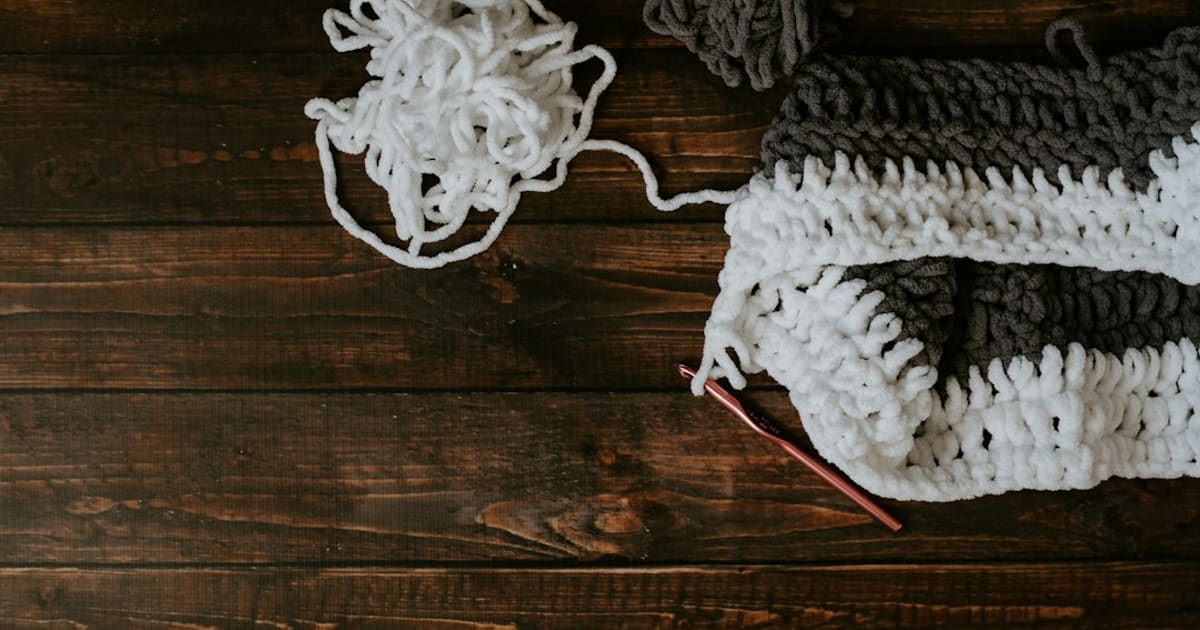
How much does it cost to start crochet in 2026: about $47 for a complete beginner setup, or $24 for the kit alone. Honest per-item breakdown and tiers.
Crochet costs about $47 to start properly, and about $24 for the bare minimum. The $24 is one starter kit with twelve hooks, 22 skeins, and a tote. The full $47 adds fabric scissors, a tapestry needle, and stitch markers, and street prices land between $38 and $48 depending on what you own.
The honest answer
The crochet starter pack adds up to $46.85 with four items:
- Starter kit with 12 aluminum hooks, 22 skeins (about 1,050 yards), and a tote: ~$24 (Yarniss Crochet Kit for Beginners (with bag and 1050 yards of yarn))
- Fabric scissors: $8.99 (Fiskars 8" Original Orange-Handled Craft & Fabric Scissors)
- Tapestry needle set: ~$7.49 (Clover 339 Chibi with Darning Needles)
- Locking stitch markers (20-pack): ~$6.37 (Clover 353 Lock Ring Markers, 20/pkg)
$24 + $8.99 + $7.49 + $6.37 = about $47. Skip the scissors if your kitchen pair cuts cleanly and the number drops toward $38. For most beginners the real question is one complete kit or separate hooks and skeins.
The $24 minimum
The starter kit alone is the honest floor. It ships with twelve ergonomic aluminum hooks from 2.0 to 8.0 mm, yarn in 22 colors, and a striped tote. That covers hooks and yarn for less than one premium skein collection costs on its own.
The free layer is genuinely free: one granny-square tutorial on YouTube, one free written pattern from Ravelry or Yarnspirations, and a dollar-store zip pouch to carry the project in progress. Use scissors you already own and paperclips opened into a U as stitch markers. That is the $24 tier, and it gets a real first square finished.
The full tier (~$47)
Above the kit, three small tools earn their price once a first project exists:
- Fabric scissors ($8.99). Most kitchen scissors are too big, and a junk-drawer pair that already mangled cardboard will fray yarn. The Fiskars 8-inch Originals (Fiskars 8" Original Orange-Handled Craft & Fabric Scissors) have precision-ground blades that cut cleanly and make ends easier to weave in.
- Tapestry needle (~$7.49). Without one you can crochet the square but cannot neatly hide the loose tails when you finish. The Clover Chibi darning needle set (Clover 339 Chibi with Darning Needles) gives you the blunt, large-eye needle for that job.
- Stitch markers (~$6.37). Paperclips work on flat granny squares. Once you work in rounds or make hats, the Clover 20-pack of locking markers (Clover 353 Lock Ring Markers, 20/pkg) stays put through repeated stitches.
This is the tier the full crochet pack recommends: finish, weave in ends, and start the next project without buying anything.
What to skip at the start
- A crochet class in month one. Start with a free video and one written pattern. Pay for live help only if you get stuck or know you learn better with an instructor.
- A second hook set. The included aluminum hooks are enough for a first project. Try other materials later, once you know what feels comfortable in your hand.
- Yarn bowls and ball winders. Decorative both, until you are finishing projects faster than you can wind yarn.
- A second bag of yarn in a "coordinating" color. Buy yarn when the first square is actually done; most beginner projects die on the couch.
- A big "everything" bundle. Start with the four items above instead of paying for accessories before you know whether you need them.
Recurring costs
Yarn is the recurring cost. Small practice squares can use what comes in the kit, but blankets and garments need more yarn than the starter bundle provides. Free patterns cost nothing; pay for a pattern only after you know which kinds of projects you enjoy.
The math, again
| Tier | What you get | Cost |
|---|---|---|
| Minimum | Kit with hooks + yarn + tote, free pattern | ~$24 |
| Full | Kit + scissors + tapestry needle + markers | ~$47 |
| Skip | Class, second hook set, yarn accessories | Varies |
For most beginners the $24 tier is the right first purchase. If you already know you will finish the first square and start a second, buy the full set once instead of re-buying tools later. Either way, keep the first purchase under $50; spend more only after the starter yarn becomes a finished project. The upgrades that matter come after you know what you like making, not before.
The crochet starter pack lists every pick with current prices, and the starter packs hub has the same budget-first treatment for sourdough, watercolor, disc golf, and the other hobbies that fit in one cart and one afternoon.
Frequently asked questions
How much does it cost to start crochet?
About $47 for a complete beginner setup, and about $24 for the bare minimum. The $24 is one starter kit with twelve hooks, enough yarn for a real project, and a tote. The rest of the $47 adds a pair of scissors, a tapestry needle, and stitch markers.
Is $24 enough to start crochet?
Yes. The kit alone includes hooks and yarn, and free patterns cover the rest. Use scissors you already own and paperclip markers on flat squares, and the out-the-door cost stays at the $24 number.
What are the hidden costs of crochet?
Yarn for projects after the kit and a tapestry needle to weave in loose ends are the likely extras. A free tutorial and one written pattern can cover the first month, so a paid class is optional.
What is the best crochet kit for beginners?
Look for a few common hook sizes, enough yarn for a first project, and a bag or case that keeps the pieces together. The $24 kit covers that. You do not need a large premium bundle before you know which hooks feel good.
Do I need stitch markers to start crochet?
No. Paperclips work for a first flat square. Locking stitch markers become useful when you start working in rounds or need a marker that stays put.
How we work
How we research and review
StarterPacks Editorial Team researches the products and writes the packs. We choose items for a specific starting point, then check the listing before we link to it.
For each linked product, we open the retailer page to check the price and availability, confirm that its Amazon ASIN still resolves to the right product, and compare important claims with manufacturer specs. We do not call an item hands-on tested unless the page explains what was tested.
This guide was last checked on . We revisit pages when products, prices, or advice change. Prices and stock can move after a check, so the live listing is the final word.
Read about the StarterPacks Editorial Team and our standards.